
What To Do After a Car Accident
Updated: Jan 27, 2022
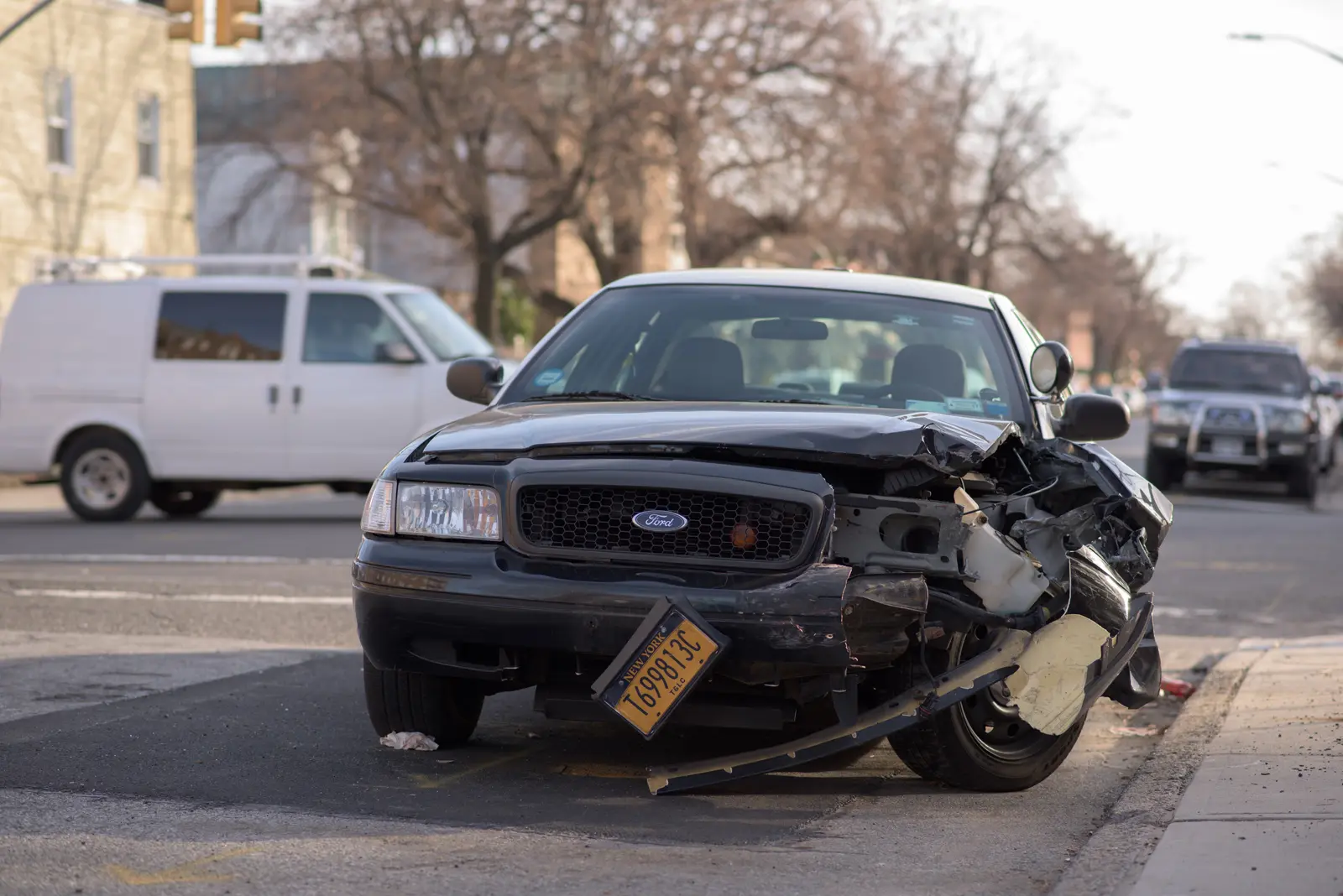
Out of the blue, you are in a car accident.
Now what? Who do I call? Should I get checked? What if I feel OK?
Car accidents are always unexpected and we often feel blindsided in more than one way. This article will guide you through the process so you're not all alone.
Contacting ICBC
This seems like the logical first step after you are involved in an accident. It is a wise place to start once everything emergent is under control. Take as many notes as you can as soon as you feel able to because details about the accident will fade quickly and having as close to the accident recorded details will prove to be helpful.
https://www.icbc.com/claims/report-view/Report-a-claim-online is a good resource to get you started.
Chiropractors are considered primary access clinicians which means you do not need a referral to see one. If you are injured in an accident then you can go to your Chiropractor before you even call ICBC.
Get checked!
"I feel fine."
Your heart is racing, you are stressed, and your adrenaline is high. Immediately after an accident people often report feeling okay, and it isn't until a couple of weeks later that they start to feel the effects of the trauma that they have experienced. Pain is only one of the symptoms that show us something might be wrong.
Neurological assessment is just one of the things that could help to find out any other problems that might be hiding below the surface. It's worth getting checked even if you feel OK; ICBC covers chiropractic care after a claim. Being assessed after an accident could save you a fair amount of trouble later in the claims process. Make sure that everyone in the car is assessed; kids and babies can be affected as well. Treatment will vary on a number of factors including the age of the injured person, and the severity of the injury.
Different treatments may include soft tissue therapy, spinal manipulation/mobilization, active rehabilitation, nerve-desensitizing techniques, pain education, and cognitive-behavioral therapy/mindfulness strategies. If a concussion is suspected, you’ll undergo a cognitive rest protocol similar to that of sport-related concussions. This typically includes two days of full cognitive rest, followed by a graded return to activities as tolerated by symptoms.
Click on each of the above therapies for a link to more information regarding its safety and effectiveness.
If you have further questions check out this resource from the BC chiropractic association.
https://www.bcchiro.com/chiropractic-you/patient-resources/
Take care out there, and make sure that if things go sideways, you keep your chiropractor in the loop.
About the author
Author Dr. Spencer Devenney is a Chilliwack Chiropractor, who graduated in 2009 from the Canadian Memorial Chiropractic College (CMCC) He has a clinical interest in all things mechanical. His motto is "if it hurts to move it, bring it to your chiropractor first."
Tags:
- chiropractic care
- car accident